Written by: CutieRacerGirl & SimRacingPenguin
Master the art of controlling even the twitchiest machines.
1. Introduction
Some of the fastest cars in Gran Turismo 7 can also be the hardest to drive. Whether you’re piloting a powerful rear-wheel-drive road car, a classic muscle car, or a high-downforce race machine, instability can cost you valuable tenths—or send you spinning into the barriers.
The good news is that almost every unstable car can be transformed into something predictable and confidence-inspiring with the right setup and driving techniques.
This guide explains exactly how.
2. Identify When the Car Becomes Unstable
Before changing anything, work out what the car is doing.
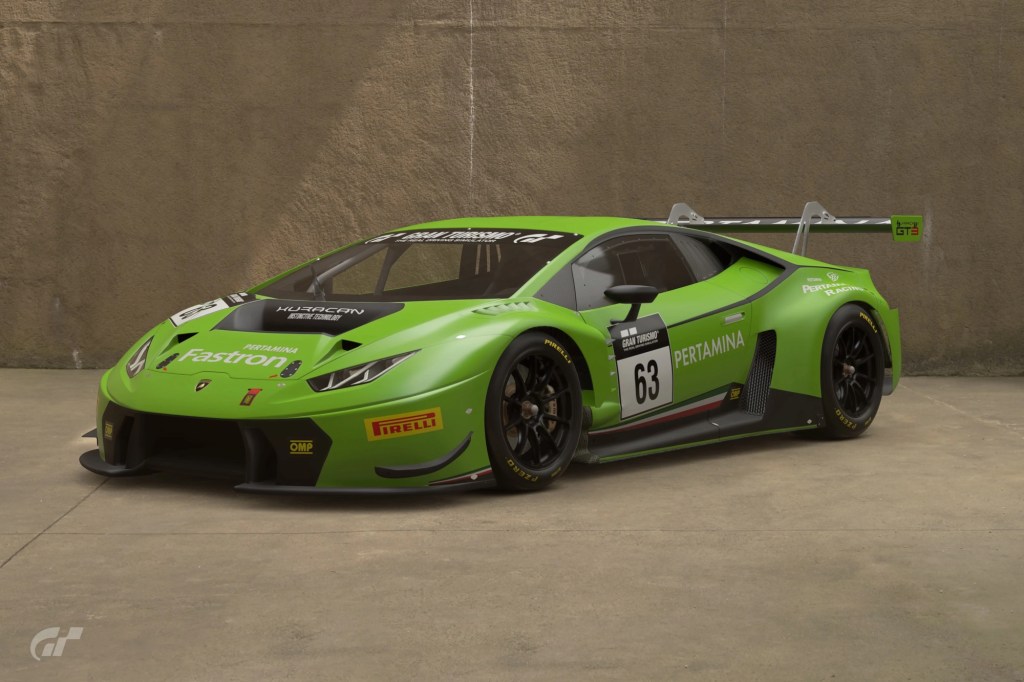
2.1 Corner Entry Oversteer
The rear becomes loose when braking or turning into a corner.
Common causes
- Braking too late
- Rear suspension too stiff
- Aggressive weight transfer
- High rear brake bias
2.2 Mid-Corner Oversteer
The rear slides while maintaining speed through the corner.
Common causes
- Excessive steering input
- Poor suspension balance
- Too much throttle maintenance
2.3 Exit Oversteer
The rear steps out under acceleration.
Common causes
- Too much throttle
- Aggressive differential settings
- Powerful rear-wheel-drive cars
- Cold tyres
3. Suspension Adjustments
Suspension is often the biggest contributor to stability.
3.1 Softer Rear Springs
A slightly softer rear allows the tyres to maintain better contact with the road.
Benefits:
- Improved traction
- Smoother power delivery
- Reduced snap oversteer
3.2 Slightly Stiffer Front Springs
Adding a little front stiffness can reduce sudden rear weight transfer.
Avoid making the front excessively stiff, as this may increase understeer.
3.3 Anti-Roll Bars
A useful starting point:
- Front: slightly stiffer
- Rear: slightly softer
This usually provides a more forgiving balance.
4. Differential (LSD)
The Limited Slip Differential has a huge impact.
Initial Torque
A small increase can improve overall stability.
Acceleration Sensitivity
Lower values generally reduce sudden power oversteer.
Braking Sensitivity
Increasing braking sensitivity slightly can calm the rear during heavy braking.
5. Aerodynamics
If adjustable aero is available:
- Increase rear downforce.
- Keep the front balanced.
- Avoid extreme front aero without supporting rear downforce.
More rear grip often equals a calmer car at high speed.
6. Ride Height
A sensible baseline:
- Slightly lower front
- Slightly higher rear
Be careful not to create excessive rake unless the car benefits from it.
7. Dampers
Smooth damping equals smoother weight transfer.
If the rear feels nervous:
- Reduce rear compression slightly.
- Reduce rear rebound slightly.
Small adjustments often make a noticeable difference.
8. Tyres
Grip solves many problems.
If regulations allow:
- Fit softer compounds.
- Warm the tyres before pushing.
- Replace worn tyres during longer races.
Cold tyres can make almost any car feel unstable.
9. Driving Technique
Even the perfect setup cannot overcome poor driving habits.
Brake smoothly
Avoid stabbing the brake pedal.
Turn once
One clean steering input is usually faster than constant corrections.
Be patient on throttle
Feed the power in progressively rather than flooring it immediately.
Use the whole circuit
A wider racing line reduces steering angle and keeps the car settled.
10. Helpful Driving Assists
If you’re learning a difficult car, don’t be afraid to use assists temporarily.
Useful options include:
- Mild Traction Control (1–2)
- ABS Default
- Countersteering Assistance (for beginners only)
As your confidence grows, gradually reduce these assists.
11. Common Mistakes
❌ Making huge setup changes all at once
❌ Using maximum rear stiffness
❌ Applying full throttle too early
❌ Ignoring tyre temperatures
❌ Chasing ultimate speed instead of consistency
Consistency almost always produces faster race results.
12. Final Thoughts
Every unstable car in Gran Turismo 7 has its own personality. The key is to make small adjustments, test each change carefully, and combine a balanced setup with smooth driving inputs.
A car that feels predictable allows you to attack corners with confidence, reduce mistakes, and ultimately produce faster lap times.
Remember: the quickest setup isn’t always the most aggressive—it’s the one that lets you drive consistently lap after lap.
Happy racing, and see you on the track! 🏁


Leave a Reply