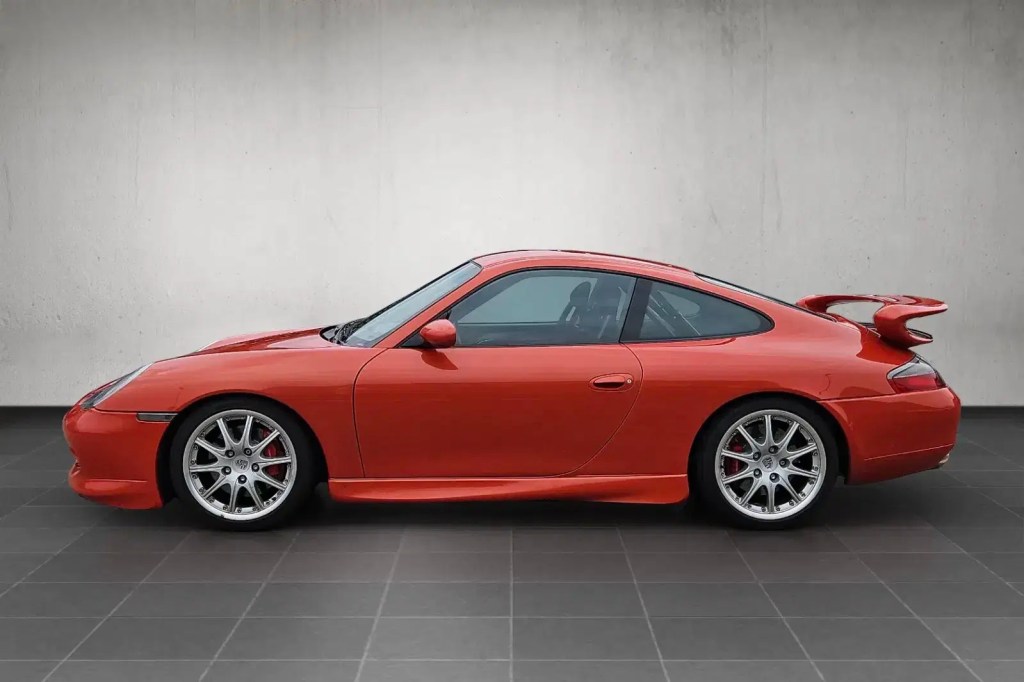
The 2001 Porsche 911 GT3: A Pure Driver’s Machine
Written by Samuel Feinberg
Introduction
The 2001 Porsche 911 GT3 (996) is widely regarded as one of the greatest driver’s cars ever built. Long before modern electronic driving aids became commonplace, Porsche created a machine that rewarded precision, confidence, and skill above everything else.
Designed as a road-going sports car with genuine motorsport DNA, the first-generation GT3 quickly earned a reputation for delivering an incredibly raw and engaging driving experience. More than two decades later, it remains one of the most respected models in Porsche’s history.
Born from Motorsport
The GT3 name first appeared on the 996-generation 911 and was inspired by Porsche’s success in GT racing. Unlike the standard Carrera, the GT3 featured extensive chassis improvements, weight-saving measures, upgraded brakes, and a naturally aspirated engine designed for enthusiastic drivers.
Rather than chasing luxury, Porsche focused on creating a car that felt perfectly at home on both the road and the racetrack.
The Legendary Mezger Engine
Powering the 2001 GT3 is a 3.6-litre naturally aspirated flat-six, producing approximately 360 horsepower.
The engine is based on the famous Mezger design—an engine architecture with roots in Porsche’s endurance racing programme. It quickly became legendary for its durability, willingness to rev, and unmistakable sound.
Unlike many modern turbocharged performance cars, the GT3 rewards drivers who keep the engine singing high into the rev range, where it truly comes alive.
Six-Speed Manual Perfection
One of the GT3’s defining features is its six-speed manual gearbox.
Every shift feels mechanical, deliberate, and immensely satisfying. Combined with a responsive clutch and beautifully weighted controls, the transmission creates an engaging connection between driver and machine that many enthusiasts feel has become increasingly rare.
It’s a reminder that sometimes, the most rewarding driving experiences come from doing the work yourself.
Handling That Builds Confidence
The 911’s traditional rear-engine layout gives the GT3 a unique character. While it demands respect, Porsche’s chassis engineers created a car that feels remarkably balanced once you learn how to work with it.
Steering is wonderfully communicative, allowing drivers to sense exactly how much grip is available. Through fast corners, the GT3 feels planted and composed, while its sharp front-end response encourages precise placement on the road.
It isn’t simply fast—it actively encourages drivers to improve their technique.
Braking Performance
Equipped with large ventilated disc brakes, the GT3 delivers exceptional stopping power.
The firm brake pedal provides excellent feedback, making it easier to judge braking points with confidence. Whether tackling mountain roads or circulating a racing circuit, the braking system inspires trust lap after lap.
Performance
For a car introduced in 2001, the GT3 remains seriously quick.
Key Specifications
- Engine: 3.6-litre naturally aspirated flat-six
- Power: Approximately 360 hp
- Transmission: 6-speed manual
- Drive Layout: Rear-wheel drive
- 0–62 mph (100 km/h): Around 4.8 seconds
- Top Speed: Approximately 188 mph (302 km/h)
Even by today’s standards, these figures remain impressive.
Why Enthusiasts Still Love It
Modern sports cars are often faster on paper, but many enthusiasts continue to admire the original GT3 because of the experience it offers.
There’s very little filtering between the driver and the road. Steering feedback, engine sound, gear changes, and chassis balance all work together to create a level of involvement that’s difficult to replicate.
It doesn’t flatter poor driving—but it rewards smoothness, patience, and precision.
Gran Turismo 7
In Gran Turismo 7, the 2001 Porsche 911 GT3 is an excellent choice for drivers who enjoy naturally aspirated sports cars with responsive handling.
Its rear-engine layout requires careful throttle control on corner exit, but once mastered, it delivers exceptional balance and rewarding performance. With thoughtful tuning, the GT3 can become a competitive machine across a variety of events while retaining the character that has made it such an icon.
However, if you are using a wheel, it’s better to turn countersteer assist on or add frontal ballast to make it easier to drive.
Final Thoughts
The 2001 Porsche 911 GT3 represents an era when driving enjoyment came first. It doesn’t rely on massive horsepower figures or complex electronics to impress. Instead, it delivers an honest, rewarding experience that challenges drivers to improve every time they get behind the wheel.
More than twenty years after its debut, it remains one of Porsche’s finest achievements and a benchmark for what a true driver’s car should be.
If you’ve never experienced the original GT3—whether in real life or in Gran Turismo 7—it’s a car that deserves a place on every enthusiast’s must-drive list.
Written by Samuel Feinberg


Leave a Reply